Kenmore 385 Sewing Machine Manual: A Comprehensive Guide
Discover a wealth of resources for your Kenmore 385! The Internet Archive hosts numerous PDF manuals, ranging from 34 to 105 pages, readily available for download․
The Kenmore 385 sewing machine, a popular model across various iterations (like 385․15108200, 385․16765, and 385․17620), represents a reliable workhorse for many sewing enthusiasts․ Finding the correct manual is crucial for optimal performance and maintenance․ Fortunately, a significant collection of these manuals has been preserved and made accessible through the Internet Archive․
These digital resources, scanned and uploaded, offer detailed instructions, ranging from 34 to 105 pages, covering everything from basic operation to troubleshooting․ The availability of these PDFs – often processed with ABBYY FineReader 9․0 – ensures continued support for owners of this classic machine, even decades after its original production․ Accessing these manuals allows users to unlock the full potential of their Kenmore 385․
Understanding Kenmore 385 Model Variations
The Kenmore 385 wasn’t a single, monolithic machine; numerous variations exist, denoted by differing model numbers like 385․15108200, 385․16765, and 385․17620․ While fundamentally similar, these variations may exhibit slight differences in features or included accessories․ Consequently, locating a manual specifically for your model is paramount․
The Internet Archive acknowledges this diversity, hosting separate PDF manuals for each identified variation․ Each manual, ranging in page count, provides tailored instructions․ While core sewing principles remain consistent, specific details regarding stitch patterns or operational nuances are often model-specific․ Therefore, careful attention to the model number on your machine and matching it to the correct manual is essential for accurate guidance and successful sewing․
Locating the Kenmore 385 Manual
Finding your Kenmore 385 sewing machine manual is now remarkably accessible thanks to online archives․ The primary resource is the Internet Archive, a digital library offering free access to a vast collection of digitized materials․ Searching for “Kenmore 385 Sewing Machine Manual” will yield multiple results, categorized by specific model numbers like 385․15108200 or 385․16765․
Each listing provides options to download the manual in various formats – PDF, EPUB, and even DAISY for users with print disabilities․ The Internet Archive’s interface allows for easy browsing and downloading, ensuring you can quickly obtain the documentation needed to operate and maintain your vintage Kenmore machine․ Prioritize finding the manual matching your machine’s exact model number․
Where to Find Digital Manuals (Internet Archive)
The Internet Archive stands as the premier online destination for locating digital Kenmore 385 sewing machine manuals․ This non-profit digital library offers free access to scanned copies of numerous manuals, categorized by model number․ You’ll find listings for variations like 385․15108200, 385․16765, and 385․17620, each with varying page counts – from 34 to 105 pages․
The platform supports multiple download formats, including PDF, ABBYY GZ, EPUB, and DAISY, catering to diverse user needs; Each manual entry details the number of views and available download options․ The Internet Archive’s robust search functionality and user-friendly interface make it incredibly easy to locate and retrieve the specific manual for your Kenmore 385 model․
Accessing PDF Versions of the Manual
PDF versions of the Kenmore 385 sewing machine manual are readily available for download from the Internet Archive․ These digital copies offer a convenient and accessible way to view and utilize the manual without needing the physical document․ Each model variation – 385․15108200, 385․16765, and 385․17620 – has a corresponding PDF file available․
Downloading is straightforward; simply select the “PDF download” option on the manual’s Internet Archive page․ The PDF format ensures consistent formatting across devices, allowing for easy printing or viewing on computers, tablets, and smartphones․ These PDFs are created using ABBYY FineReader 9․0, ensuring high-quality scans and searchable text for quick reference․
Availability of Printed Manuals
While digital copies of the Kenmore 385 sewing machine manual are plentiful on the Internet Archive, information regarding the current availability of original printed manuals is limited․ The focus of online resources heavily leans towards providing accessible PDF versions․ Locating a physical copy may require searching through vintage sewing machine marketplaces, online auction sites, or contacting sewing machine repair shops specializing in older models․
It’s important to note that printed manuals for specific Kenmore 385 variations (like 385․15108200, 385․16765, or 385․17620) might be rarer than others․ Patience and diligent searching will be key if a physical manual is preferred over the readily available digital alternatives․
Key Features of the Kenmore 385
Explore stitch selections, adjustable lengths and widths, and efficient bobbin winding—features detailed within the comprehensive Kenmore 385 sewing machine manuals available online․
Stitch Selection and Functions
The Kenmore 385 sewing machine boasts a variety of stitch options, detailed within its readily available manuals․ These resources, found on platforms like the Internet Archive, illustrate the functions of each stitch, enabling users to tackle diverse sewing projects․
Manuals showcase how to select stitches, ranging from basic straight and zigzag stitches to more decorative options․ Understanding these functions is crucial for achieving desired results on different fabrics․ The documentation clarifies the ideal stitch for various applications, such as garment construction, quilting, or crafting․
Furthermore, the manuals often include diagrams and explanations to help users master stitch adjustments for optimal performance․ Accessing these guides unlocks the full potential of the Kenmore 385’s stitching capabilities․
Adjusting Stitch Length and Width
Kenmore 385 manuals, accessible via the Internet Archive, provide clear instructions on adjusting stitch length and width․ These adjustments are fundamental to achieving professional-looking results and accommodating different fabric types․ The guides detail how to utilize the machine’s dials or settings to modify these parameters․
Understanding stitch length is vital for durability – shorter stitches for delicate fabrics, longer for heavier materials․ Similarly, width adjustments impact the stitch’s appearance and strength, particularly with zigzag stitches․ Manuals often include sample charts demonstrating the effects of various settings․
Proper adjustment ensures even stitching and prevents puckering or fabric damage․ The documentation empowers users to customize stitches for specific project needs, enhancing both functionality and aesthetics․
Bobbin Winding and Threading
Kenmore 385 sewing machine manuals, found on platforms like the Internet Archive, dedicate significant sections to bobbin winding and threading․ These are crucial first steps for successful sewing․ The guides illustrate the correct method for winding thread onto the bobbin, ensuring even distribution and preventing jams․
Detailed diagrams showcase the threading path for both the upper and lower threads․ Proper threading is essential for consistent stitch formation․ Manuals emphasize following the numbered guides to avoid missed loops or incorrect positioning․
Troubleshooting tips address common issues like thread breakage or uneven tension, often stemming from improper winding or threading․ Mastering these techniques is fundamental to operating the machine effectively․
Threading the Kenmore 385
Kenmore 385 manuals provide detailed diagrams for upper and lower threading․ Following numbered guides ensures correct thread placement, preventing issues and optimal performance․
Upper Threading Guide
Successfully threading the upper portion of your Kenmore 385 is crucial for proper stitch formation․ The available manuals, found on the Internet Archive, emphasize a specific sequence․ Begin by ensuring the machine is turned off and the presser foot is raised․
Place the thread spool on the spool pin, guiding it through the first thread guide․ Next, proceed through the tension discs – a critical step for consistent tension․ Continue following the numbered path illustrated in the manual, leading to the take-up lever․ Ensure the thread is securely seated in the take-up lever’s groove․
Finally, guide the thread through the needle clamp and thread the needle from front to back․ Refer to the manual’s diagrams for precise visual guidance, as variations may exist between Kenmore 385 models (e․g․, 385․15108200, 385․16765, 385․17620)․
Lower Threading (Bobbin) Guide
Proper bobbin threading is essential for balanced stitches on your Kenmore 385․ The manuals available on the Internet Archive detail a straightforward process․ First, ensure the machine is off․ Locate the bobbin winder and engage it, following the manual’s instructions for winding the bobbin evenly․
Once wound, insert the bobbin into the bobbin case, ensuring it rotates in the correct direction – the manual provides clear diagrams․ Guide the thread through the tension spring of the bobbin case, and then through the slot․
Finally, reinsert the bobbin case into the machine․ Gently pull the thread to ensure it’s correctly engaged․ Refer to your specific Kenmore 385 model’s manual (e․g․, 385․15108200) for precise illustrations, as slight variations may occur․
Troubleshooting Threading Issues
Encountering threading problems with your Kenmore 385? The available manuals on the Internet Archive offer solutions․ Common issues include thread bunching, skipped stitches, or the machine refusing to thread․ First, re-thread both the upper and lower threads, carefully following the diagrams in your model’s manual (like 385․16765)․
Ensure the presser foot is up during threading, as this releases tension․ Check the bobbin is correctly inserted and the thread path is clear of lint․ If problems persist, verify the needle is correctly inserted and of the appropriate size for your fabric․
Consult the manual’s troubleshooting section for specific error codes or diagrams addressing common threading faults․
Basic Sewing Operations
Master fundamental techniques! Kenmore 385 manuals detail straight stitching, zigzag applications, and buttonhole creation, empowering you to tackle diverse sewing projects effectively․
Straight Stitching Techniques
Achieving a perfect straight stitch with your Kenmore 385 relies on proper setup and consistent technique․ The manual emphasizes selecting the appropriate needle and thread weight for your fabric․ Begin by threading the machine correctly, ensuring the presser foot is down before starting to sew․
Maintain a steady, even pressure on the foot pedal, guiding the fabric gently – avoid pulling or pushing․ The stitch length is crucial; shorter stitches are ideal for delicate fabrics, while longer stitches suit heavier materials․ Practice maintaining a consistent seam allowance using the markings on the needle plate․ Regularly check the stitch quality, adjusting tension if needed to prevent puckering or looping․ A well-executed straight stitch forms the foundation for many sewing projects․
Zigzag Stitching Applications
The Kenmore 385’s zigzag stitch offers versatility beyond basic seams․ The manual details its use for finishing raw edges, preventing fabric fraying, and creating decorative elements․ Adjusting stitch width and length allows for varied effects – a narrow, short zigzag reinforces edges, while a wider, longer stitch creates bolder designs;
Zigzag is also essential for sewing stretch fabrics, allowing the seam to expand with the material․ It’s invaluable for attaching elastic and creating buttonholes (though dedicated buttonhole features may vary by model)․ Experiment with different settings to achieve desired results․ Remember to test on scrap fabric first to refine your technique and ensure a professional finish․
Buttonhole Sewing Instructions
The Kenmore 385 manual provides detailed guidance for creating buttonholes, though specific features depend on your model variation․ Generally, it involves utilizing the zigzag stitch function, often with a dedicated buttonhole foot (check accessory list)․ Precise adjustments to stitch width and length are crucial for a clean, correctly sized buttonhole․
The manual will likely outline a step-by-step process, including marking the buttonhole placement, setting the machine to buttonhole mode (if available), and carefully guiding the fabric․ Practice on scrap fabric is essential to master the technique and achieve consistent results․ Refer to diagrams within the manual for visual clarity and optimal settings․
Maintenance and Troubleshooting
Ensure longevity by regularly cleaning your Kenmore 385 and lubricating designated oil points, as detailed in the manual for optimal performance․
Cleaning the Kenmore 385
Regular cleaning is vital for maintaining the Kenmore 385’s smooth operation and preventing malfunctions․ Before any cleaning, always disconnect the machine from the power source․ Use a soft brush to remove lint and dust from the bobbin area, feed dogs, and surrounding components․ A small vacuum cleaner with a brush attachment can also be helpful for reaching tight spaces․
Pay close attention to the needle plate, removing any accumulated fabric fibers․ Wipe down the exterior surfaces with a slightly damp cloth; avoid harsh chemicals or abrasive cleaners․ The manual, available on the Internet Archive in various PDF formats (ranging from 34 to 105 pages), likely provides specific cleaning instructions and diagrams for your particular model variation (e․g․, 385․15108200, 385․16765, 385․17620)․ Consistent cleaning extends the machine’s lifespan and ensures consistent stitch quality․
Oil Points and Lubrication
Proper lubrication is crucial for the Kenmore 385’s longevity and performance․ Refer to your specific model’s manual – readily available as a PDF on the Internet Archive (with versions ranging from 34 to 105 pages) – for precise oiling points․ Generally, key areas include the bobbin case, hook assembly, and any moving parts identified in the diagram․
Use sewing machine oil specifically designed for this purpose; avoid household oils․ Apply oil sparingly, wiping away any excess to prevent staining fabric․ Over-oiling can attract dust and create a sticky residue․ Consistent, careful lubrication, as detailed in the manual for models like the 385․15108200 or 385․16765, ensures smooth, quiet operation and prevents wear and tear on internal components․
Common Problems and Solutions
Encountering issues with your Kenmore 385? The Internet Archive’s extensive collection of manuals (PDFs ranging from 34 to 105 pages) offers troubleshooting guidance․ Common problems include thread bunching, skipped stitches, and the machine failing to power on․
Thread bunching often indicates incorrect threading or improper bobbin winding – review the manual’s threading diagrams․ Skipped stitches may stem from a dull or incorrect needle․ Power issues could be a blown fuse or a problem with the foot pedal․ Detailed solutions for models like the 385․15108200 and 385․16765 are available within these downloadable resources, helping you diagnose and resolve issues efficiently․
Advanced Features (If Applicable)
Kenmore 385 manuals detail features like free arm operation, adjustable presser foot pressure, and needle position adjustments for versatile sewing projects․
Free Arm Operation
The Kenmore 385 sewing machine offers a convenient free arm feature, significantly expanding its capabilities for specialized projects․ Removing the extension table transforms the machine, creating a cylindrical sewing surface ideal for cuffs, collars, sleeves, and pant legs․
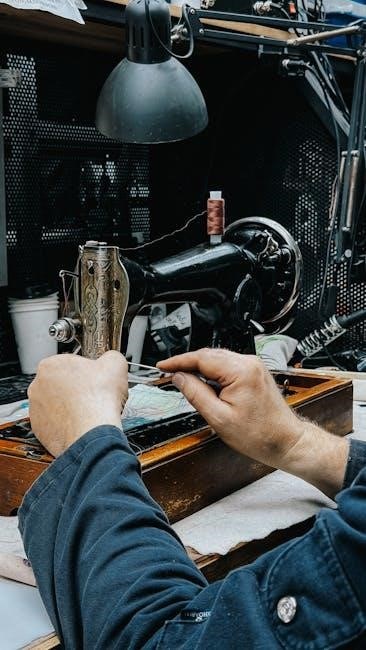
Manuals available on the Internet Archive demonstrate how to easily detach the extension table, unlocking this functionality․ This allows for effortless maneuvering of smaller, contoured items around the needle․
This feature is particularly useful for intricate designs and detailed work on garments, providing enhanced control and precision․ The free arm simplifies sewing in tight spaces, making it a valuable asset for any sewing enthusiast․
Adjustable Presser Foot Pressure
The Kenmore 385 sewing machine boasts an adjustable presser foot pressure setting, a crucial feature for achieving optimal stitch quality across various fabric types․ This adjustment allows you to customize the amount of pressure the presser foot exerts on the fabric while sewing․
Lighter fabrics, like silk or chiffon, require less pressure to prevent puckering or damage․ Conversely, heavier materials, such as denim or canvas, benefit from increased pressure for consistent feeding․
Consulting the Kenmore 385 manual, available through resources like the Internet Archive, will guide you through locating and adjusting this setting․ Mastering this control ensures professional-looking results on every project․
Needle Position Adjustment
The Kenmore 385 sewing machine offers a needle position adjustment feature, enhancing versatility for diverse sewing tasks․ This allows you to shift the needle’s vertical position, impacting stitch formation and fabric handling․
Adjusting the needle position is particularly useful when sewing thick fabrics or multiple layers․ A slightly offset position can prevent the needle from hitting previously sewn seams or bulky areas․ It also aids in techniques like free-motion quilting or darning․
Refer to your Kenmore 385 manual – readily accessible via the Internet Archive – for detailed instructions on locating and utilizing this adjustment․ Proper needle positioning contributes to smoother, more accurate sewing․
Presser Feet and Accessories
Explore a range of presser feet – standard, zipper, and buttonhole – to expand your Kenmore 385’s capabilities․ Keep accessories organized for efficiency!
Standard Presser Foot
The standard presser foot, included with your Kenmore 385 sewing machine, is your go-to for most general sewing applications․ It’s designed for straightforward stitching on woven and knit fabrics, offering consistent pressure for even fabric feed․ This foot is ideal for constructing garments, home décor projects, and basic repairs․
Proper installation is crucial for optimal performance․ Ensure the foot clicks securely into place on the presser foot shank․ Regularly inspect the foot for any damage or wear, as a damaged foot can cause skipped stitches or uneven fabric feeding․ Maintaining a clean foot, free from lint and debris, will also contribute to smoother sewing․
Understanding its function allows for precise control and quality results with every stitch․ It’s the foundation for mastering various sewing techniques․
Optional Presser Feet (Zipper, Buttonhole, etc․)
Expand your Kenmore 385’s capabilities with a range of optional presser feet! Specialized feet unlock new sewing possibilities․ A zipper foot allows for close-stitch application along zipper teeth, ensuring professional results․ The buttonhole foot automates precise buttonhole creation, saving time and effort․
Other valuable additions include a blind hem foot for invisible hems, a satin stitch foot for smooth satin stitches, and a rolled hem foot for delicate rolled edges․ These feet enhance precision and efficiency for specific projects․
Consult your Kenmore 385 manual or online resources to determine compatible feet and proper installation․ Investing in these accessories broadens your sewing horizons and elevates your craftsmanship․
Accessory Storage and Organization
Maintaining a tidy workspace is crucial for efficient sewing with your Kenmore 385․ The machine often includes a designated accessory compartment, typically located within the free arm or a side storage area․ Utilize this space to store presser feet, bobbins, needles, and other small parts․
Consider using small containers or dividers within the compartment to categorize accessories for easy access․ A dedicated bobbin case prevents tangling, while needle storage protects points from damage․ Keeping everything organized saves time and frustration during projects․
Refer to your Kenmore 385 manual for specific details regarding accessory storage locations and recommended organization methods․ A well-organized setup enhances your sewing experience and prolongs the life of your accessories․