Scholl Nail Fungal Treatment Instructions: A Comprehensive Guide
This guide details using Dr. Scholl’s Fungal Nail Revitalizer, a triple-action formula for lighter, smoother, and moisturized nails damaged by fungus.
Understanding Fungal Nail Infection
Fungal nail infections, also known as onychomycosis, are common conditions affecting toenails and, less frequently, fingernails. These infections occur when fungi enter the nail bed, thriving in warm, moist environments. Several types of fungi can cause these infections, including dermatophytes, yeasts, and molds.
The infection typically begins as a small discoloration under the nail, often white or yellow. Over time, the nail may thicken, become brittle, and develop a distorted shape. Ignoring the infection allows it to spread, causing discomfort and potentially affecting surrounding tissues.
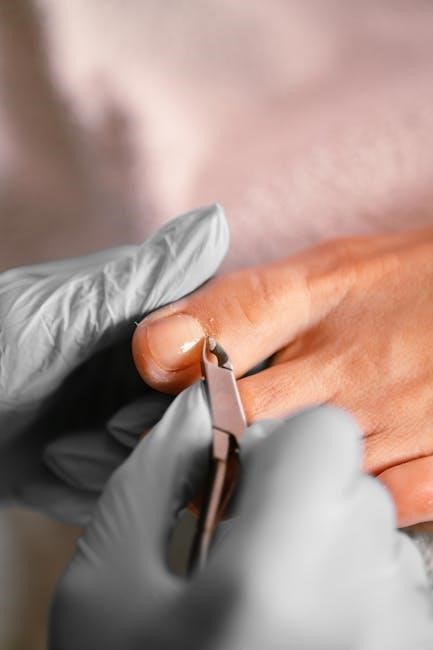
Factors increasing susceptibility include poor foot hygiene, minor nail injuries, weakened immune systems, and diabetes; Early detection and treatment are crucial to prevent the infection from worsening and becoming more difficult to manage. Dr. Scholl’s aims to address these issues with its revitalizing formula.
Identifying Symptoms of Fungal Nail Infection
Recognizing the signs of a fungal nail infection is the first step towards effective treatment. Initial symptoms often include subtle changes in nail appearance, such as discoloration – commonly yellowing or whitening – under the nail. The nail may also become noticeably thicker and more brittle, making it difficult to trim.
As the infection progresses, the nail can become distorted in shape, potentially lifting away from the nail bed. This can cause discomfort or even pain, especially when wearing shoes. A crumbly texture and a foul odor may also develop.
It’s important to note that not all nail changes indicate a fungal infection; other conditions can mimic these symptoms. However, if you observe a combination of these signs, particularly discoloration and thickening, it’s advisable to consider a fungal infection and explore treatment options like Dr. Scholl’s Fungal Nail Revitalizer.
Dr. Scholl’s Fungal Nail Revitalizer: Overview
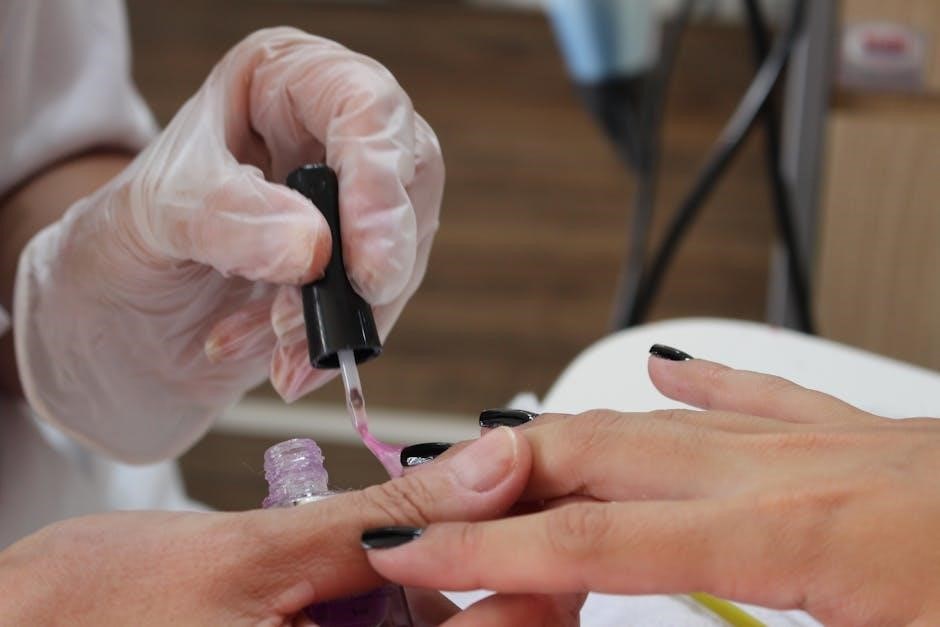
Dr. Scholl’s Fungal Nail Revitalizer is a clinically proven, liquid treatment designed to improve the appearance of fungal nails. This product offers a triple-action formula, working to lighten, smooth, and moisturize nails damaged by fungal infections. It’s presented as a convenient and effective solution for those seeking to address unsightly and uncomfortable nail conditions.
Available in a 10ml size, the revitalizer is designed for topical application directly to the affected nail. It can be used as a standalone treatment or, for enhanced results, in conjunction with the Dr. Scholl’s Fungal Nail Revitalizer Light-Activated Therapy system. Clinical studies have demonstrated visible improvements in nail discoloration and smoothness within just two days of consistent use.
The formula is considered safe and effective, providing comprehensive care for healthier-looking nails and offering a pathway to regaining confidence in nail appearance.
Key Ingredients and Their Functions
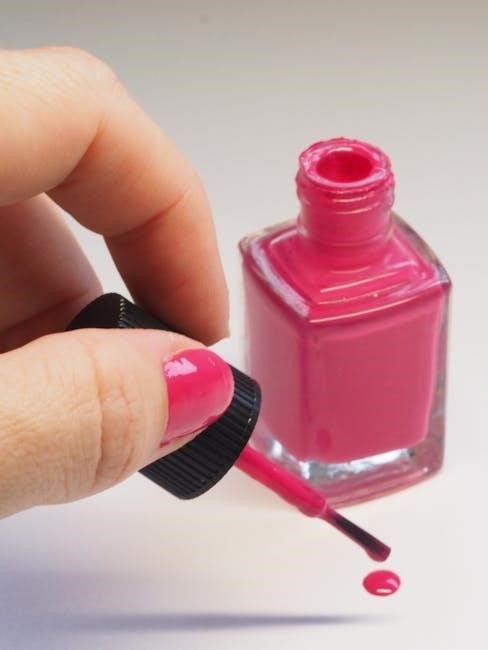
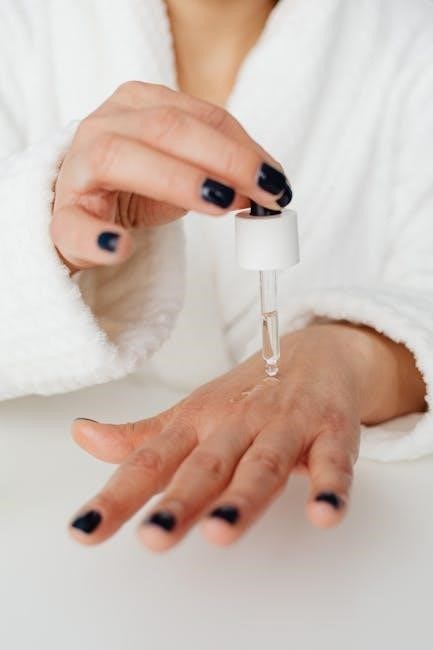
While the specific ingredient list isn’t fully detailed in readily available sources, Dr. Scholl’s Fungal Nail Revitalizer utilizes clinically proven components to target fungal nail infections. The formula focuses on three key actions: lightening discoloration, smoothing the nail surface, and providing essential moisturization to damaged areas.
These ingredients work synergistically to penetrate the nail and address the underlying causes of fungal damage. The lightening agents help reduce the visible signs of infection, while smoothing components improve the nail’s texture. Moisturizers are crucial for restoring nail health and preventing further cracking or brittleness.
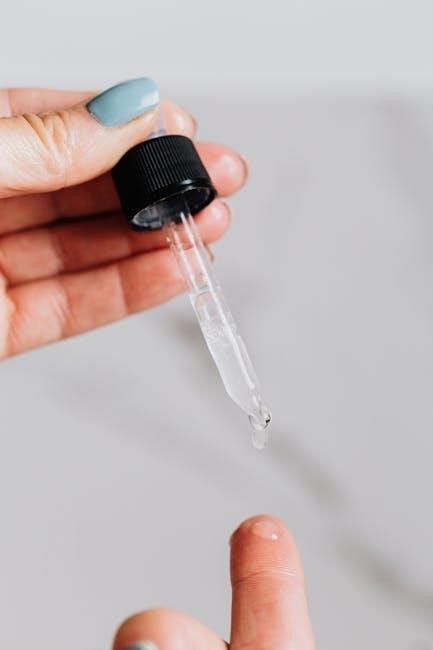
The effectiveness stems from this combined approach, offering a comprehensive solution beyond simply masking symptoms. Further research into the complete ingredient list would reveal the precise mechanisms of action, but the core function is to restore a healthier, more natural nail appearance.
Application Instructions: Initial Treatment Phase (Weeks 1-4)
During the first four weeks, a consistent application schedule is vital for optimal results. Apply a thin layer of Dr. Scholl’s Fungal Nail Revitalizer liquid over the affected nail area twice daily – once in the morning and once at night, or as directed by a healthcare professional. Ensure complete coverage of the infected portion of the nail.
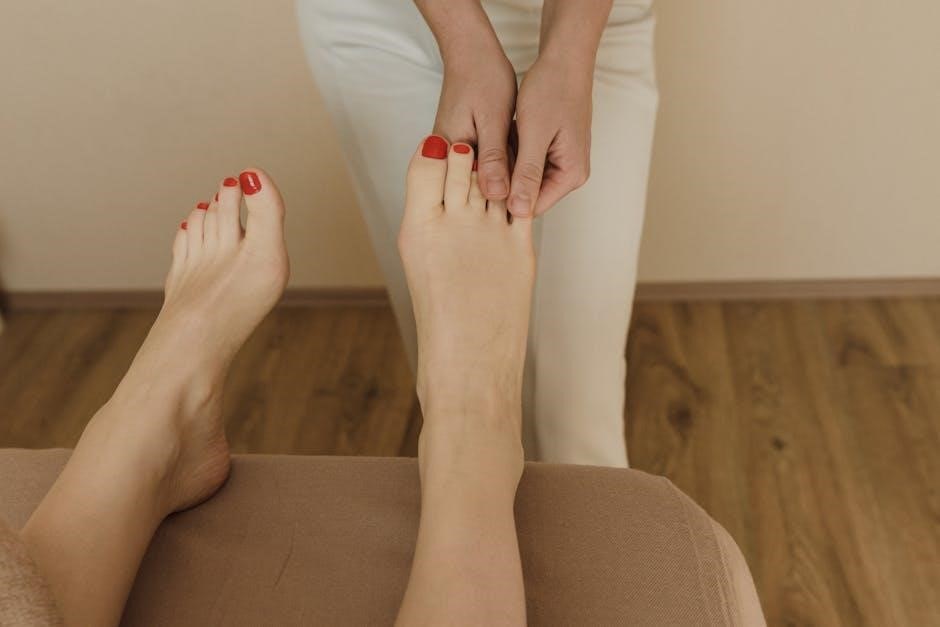
This initial phase focuses on actively combating the fungal infection. Alongside application, regular nail preparation is crucial. File the nail once a week to gently remove infected layers, allowing the revitalizer to penetrate more effectively; Supervise children when using the product, and pay close attention to the spaces between toes.
Consistency is key during these first four weeks to maximize the product’s impact and begin seeing visible improvements in nail discoloration and smoothness.
Frequency of Application
To achieve the best possible outcome with Dr. Scholl’s Fungal Nail Revitalizer, adhering to the recommended application frequency is paramount. During the initial treatment phase – the first four weeks – the liquid should be applied twice daily, consistently, every morning and evening. This bi-daily application ensures a sustained delivery of the active ingredients to the affected nail.
Maintaining this schedule is crucial for actively targeting the fungal infection and initiating the healing process. It’s important to note that consistent use, as directed, yields the most significant improvements in nail appearance, including discoloration and smoothness, as observed in clinical studies.
Following the initial phase, the application frequency transitions to a maintenance schedule, detailed in the Protection Phase instructions, to prevent recurrence.
Nail Preparation: Filing Techniques
Proper nail preparation is a vital component of successful treatment with Dr. Scholl’s Fungal Nail Revitalizer. During the initial treatment phase, which spans the first four weeks, regular filing of the affected nail is necessary. This filing process serves to thin the nail, allowing for better penetration of the revitalizing liquid directly to the site of the fungal infection.
The recommended frequency for filing is once a week. Use a fine-grit nail file and gently file the surface of the affected nail, focusing on areas exhibiting discoloration or thickening. Avoid filing too deeply, as this can cause discomfort or damage to the nail bed.
Consistent filing aids in removing infected nail material and promotes the growth of healthy nail, maximizing the effectiveness of the treatment.
Application Instructions: Protection Phase (After 4 Weeks)
Following the initial four-week treatment phase with Dr. Scholl’s Fungal Nail Revitalizer, transition into the protection phase to prevent recurrence of the fungal infection. This phase focuses on maintaining the improvements achieved and ensuring the healthy nail continues to grow without reinfection.
During the protection phase, the application frequency is reduced to once a week. Continue applying a thin layer of the liquid solution to the affected nail, even if it appears healthy. This consistent application helps to safeguard against the return of the fungus as the new, healthy nail grows in.
Continue this weekly application for up to nine months, or until the entire discolored portion of the nail has grown out and been replaced with healthy nail. Patience and consistency are key during this extended maintenance period.
Maintenance Application Schedule
After completing the initial treatment phase of four weeks with Dr. Scholl’s Fungal Nail Revitalizer, a consistent maintenance schedule is crucial for preventing reinfection and ensuring long-term nail health. This phase requires a reduced, yet regular, application frequency.
Apply the liquid solution once a week to the affected nail. This weekly application should continue for an extended period, typically up to nine months, or until the entire nail has fully grown out and appears healthy. It’s vital to maintain this schedule even if visible improvements are noted earlier.
Consistency is paramount; Mark your calendar or set reminders to ensure you don’t miss an application. This proactive approach helps to solidify the treatment’s effects and minimizes the risk of the fungal infection returning.
Preventing Re-occurrence
Successfully treating a fungal nail infection with Dr. Scholl’s Fungal Nail Revitalizer is only half the battle; preventing its return is equally important. Maintaining good foot hygiene is paramount in minimizing the risk of reinfection.
Always wear well-fitting, ventilated shoes that allow air to circulate. Avoid shoes made of synthetic materials that trap moisture. Regularly disinfect shoes, especially those worn during activities where feet are prone to sweating.
Pay close attention to the spaces between your toes, keeping them clean and dry. Use antifungal powders or sprays as a preventative measure. Avoid sharing nail clippers or files. Regularly wash your feet with soap and water, and thoroughly dry them, especially between the toes.
Maximizing Treatment Effectiveness
To achieve the best possible results with Dr. Scholl’s Fungal Nail Revitalizer, consistency and adherence to the treatment schedule are crucial. Remember that fungal nail infections can take time to resolve, often requiring several months for a healthy nail to fully grow out.
Consider combining the liquid treatment with the Dr. Scholl’s Light-Activated Therapy system, as this can enhance the product’s penetration and effectiveness. Ensure thorough nail preparation by regularly filing the affected nail to allow better product absorption.
Maintain diligent foot hygiene throughout the treatment period, keeping feet clean and dry. Avoid wearing nail polish or artificial nails, as these can trap moisture and hinder the treatment process. Patience and persistence are key to successful treatment and preventing recurrence.
Combining with Light-Activated Therapy
Dr. Scholl’s Fungal Nail Revitalizer is designed to work synergistically with their Light-Activated Therapy device, significantly boosting treatment outcomes. The light therapy enhances the penetration of the liquid formula into the nail bed, maximizing its effectiveness against the fungal infection.

After applying a thin layer of the revitalizer, use the light device as directed, typically for a specified duration each day. This process helps to accelerate the improvement in nail discoloration and smoothness, as observed in clinical studies.
The light therapy isn’t a standalone treatment; it’s a powerful adjunct to the liquid application. Consistent use of both components, following the manufacturer’s instructions, is vital for optimal results and a faster path to healthier-looking nails. It’s a refillable system, ensuring continued treatment.
Expected Results and Timeline
Improvements in nail appearance aren’t immediate; patience and consistent application are key. Clinical studies indicate that consumers may observe noticeable improvements in nail discoloration and smoothness within just two days of starting treatment with Dr. Scholl’s Fungal Nail Revitalizer.
However, complete resolution of the fungal infection and regrowth of a healthy nail can take considerably longer – potentially several months. The treatment phases are structured to address both the active infection and prevent recurrence.
During the initial four weeks (Treatment Phase), daily application and weekly filing are crucial. Following this, the Protection Phase involves weekly application for up to nine months, or until the discolored portion grows out. Fingernail fungus requires time to clear, and results vary individually.
Potential Side Effects and Precautions
Dr. Scholl’s Fungal Nail Revitalizer is generally considered safe for topical use, but some individuals may experience mild side effects. These can include temporary skin irritation, redness, or a burning sensation at the application site. Discontinue use and consult a doctor if irritation persists or worsens.
Precautions are essential: Avoid applying the product to open wounds or damaged skin. Keep out of reach of children and supervise their use of the product. It’s crucial to avoid contact with eyes; if contact occurs, rinse thoroughly with water.
Individuals with diabetes or impaired circulation should consult a healthcare professional before using this or any fungal nail treatment. Always follow the application instructions carefully and do not ingest the product. Store in a cool, dry place, away from direct sunlight.
When to Consult a Doctor
While Dr. Scholl’s Fungal Nail Revitalizer can effectively improve nail appearance, consulting a doctor is crucial in certain situations. Seek medical advice if your fungal nail infection is severe, painful, or accompanied by inflammation. Individuals with diabetes or a compromised immune system must consult a doctor before self-treating.
If you don’t observe any improvement after several weeks of consistent use, or if the condition worsens despite following the instructions, a medical evaluation is necessary. A doctor can accurately diagnose the infection and recommend more potent treatments, such as prescription antifungal medications.
Furthermore, consult a doctor if you experience any adverse reactions, like significant skin irritation or allergic responses. They can determine if the product is suitable for you and rule out other potential underlying conditions affecting your nails.
Comparing Dr. Scholl’s to Other Treatments
Dr. Scholl’s Fungal Nail Revitalizer offers a non-prescription alternative to stronger, often oral, antifungal medications prescribed by doctors. Prescription treatments, while potentially more effective for severe cases, carry a risk of side effects requiring medical monitoring.
Compared to topical prescription antifungals, Dr. Scholl’s provides a convenient, at-home solution. However, prescription options often contain higher concentrations of active ingredients. Laser treatments represent another alternative, but are typically more expensive and require multiple sessions.
Dr. Scholl’s distinguishes itself with its light-activated therapy option, aiming to enhance penetration and effectiveness. While results vary, it’s generally considered a milder approach suitable for early-stage or less severe infections, focusing on improving nail appearance alongside treatment.
Proper Foot Hygiene During Treatment
Maintaining excellent foot hygiene is crucial when using Dr. Scholl’s Fungal Nail Revitalizer to maximize effectiveness and prevent re-infection. Daily washing of feet with soap and water, followed by thorough drying – especially between the toes – is paramount.
Wear well-fitting, breathable shoes made of materials like cotton or leather to promote ventilation. Avoid tight-fitting shoes that create a warm, moist environment conducive to fungal growth. Socks should be changed daily, opting for moisture-wicking fabrics.
Avoid sharing nail clippers, files, or towels. Disinfect any tools used on the affected nail. Regularly clean and disinfect shoes with an antifungal spray. Consider using foot powders to absorb moisture. Consistent hygiene significantly supports treatment success.
Storage and Handling of Dr. Scholl’s Product
To maintain the efficacy of Dr. Scholl’s Fungal Nail Revitalizer, proper storage is essential. Store the product in a cool, dry place, away from direct sunlight and heat sources. Ensure the cap is tightly closed after each use to prevent drying and contamination.
Keep the product out of reach of children and pets. This is not for internal use; it is for external application only. Avoid contact with eyes and mucous membranes. If accidental contact occurs, rinse thoroughly with water.
Inspect the product before each use. Do not use if the product appears discolored or has an unusual odor. Discard any unused portion after the expiration date printed on the packaging; Proper handling ensures product integrity and safety.