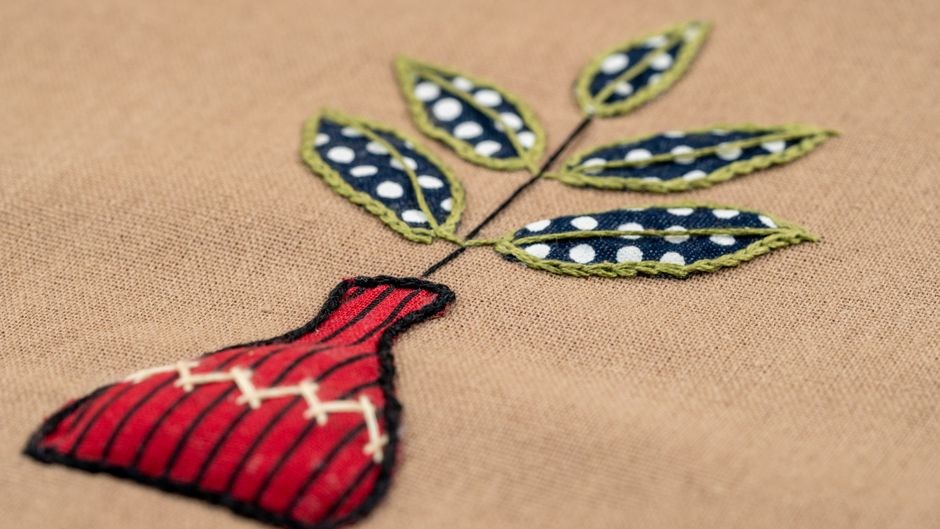
Discover how free PDF downloads unlock endless hand embroidery designs, from delicate florals to bold geometric patterns. These resources let beginners experiment, save time, and explore creative stitches without cost. Start building your collection todayand stitch your vision share progress online today!
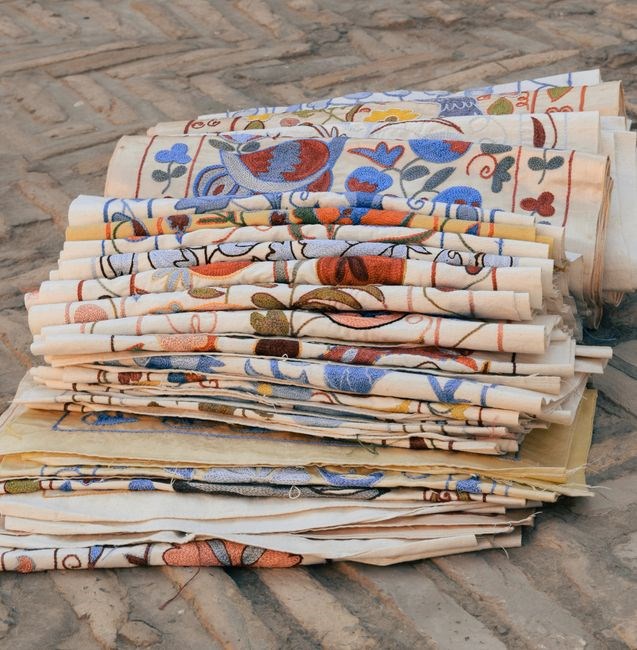
Types of Hand Embroidery Designs
Explore diverse hand embroidery styles available as free PDFs, ranging from classic cross‑stitch motifs to contemporary thread‑painting. These designs cater to beginners and seasoned artisans alike, offering step‑by‑step guides, stitch counts, and versatile color palettes for personalized projects.Enjoy.
Floral Patterns
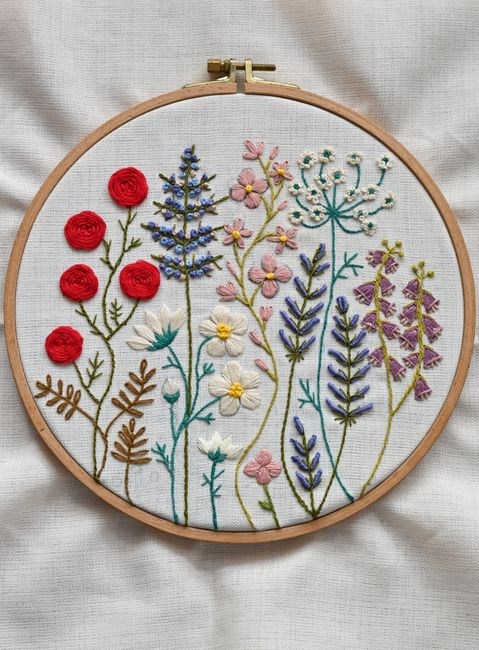
Floral motifs are a staple of hand embroidery, offering a timeless aesthetic that can be adapted to any project. Free PDF downloads provide a wealth of patterns ranging from simple daisies to intricate roses, each with clear stitch instructions and color suggestions. Beginners can start with basic flower outlines, while experienced stitchers can explore multi‑layered petals, shading, and realistic textures. Many PDFs include a “stitch count” table, allowing you to estimate thread usage and plan your project budget. Additionally, designers often provide color palettes that match popular thread brands, ensuring a cohesive look. By downloading these patterns, you gain instant access to a library of floral designs that can be printed, scanned, or directly transferred to a machine‑compatible format. This flexibility lets you experiment with different fabrics, thread types, and stitch techniques, turning a simple flower into a statement piece. Whether you’re creating a wedding veil, a decorative pillow, or a personalized gift, floral patterns offer endless creative possibilities.
Seasonal variations add another layer of interest: spring patterns feature pastel hues and delicate vines, while autumn designs incorporate warm oranges, deep reds, and textured leaves. Many free PDF collections offer quick‑start guides, breaking a single flower into basic stitches like satin, stem stitch, and French knots. These guides help you master each stitch before applying it to more complex arrangements. Some PDFs also include optional embellishments such as sequins or metallic threads, allowing you to elevate a simple flower into a luxurious centerpiece.
When working with free PDF designs, keep a color chart handy. Many designers provide a key that matches thread numbers to shades, making it easier to replicate the exact look. If you’re working with multiple fabrics, test a small swatch first to ensure the thread colors and stitch density translate well. Adjust the stitch count by changing thread thickness or using a backstitch for a. This lets you adapt the design to your skill level and proj! and bring joy. Today!
Geometric Shapes
Geometric shapes bring structure and modern flair to hand embroidery. Free PDF downloads offer a variety of patterns—squares, triangles, hexagons, and abstract tessellations—each with step‑by‑step stitch instructions. These designs are ideal for beginners because they rely on straight lines and simple stitch types such as backstitch, satin, and chain stitch. Advanced embroiderers can add depth by layering different thread colors, creating shadows and highlights that give a 3‑D effect; Many PDFs include a stitch count table, allowing you to estimate thread usage and plan your project budget. Color palettes are often provided, matching popular thread brands so you can replicate the exact look. You can print the PDF, scan it, or convert it to a machine‑compatible format, giving you flexibility in how you work. Some free collections also feature optional embellishments such as sequins or metallic threads to add sparkle. Many designers provide a key that matches thread numbers to shades, making it easier to replicate the exact look. Adjust the stitch count by changing thread thickness or using a backstitch for a more robust design. These patterns are perfect for creating modern home décor, accessories, or personalized gifts. Downloading free PDFs gives you instant access to a library of geometric designs that can be adapted to any skill level. Whether you’re creating a minimalist wall hanging, a bold table runner, or a subtle embroidered logo, geometric shapes offer endless creative possibilities. Start stitching today and bring structure, precision, and style to your craft! Enjoy the journey and let your creativity shine;
Animal Motifs
Animal motifs in hand embroidery add a natural flair to projects. Free PDF downloads provide ready‑made patterns featuring insects, birds, mammals, and mythical creatures. Each design includes clear stitch instructions and suggested thread colors, making it easy for beginners to follow. The patterns often use simple stitches such as satin, backstitch, and French knots, which create smooth outlines and raised details. Optional embellishments like sequins or metallic thread can be added for extra sparkle. By experimenting with thread weights and stitch densities, you can add depth and dimension to the motif, turning a flat design into a three‑dimensional effect. Downloaded PDFs are typically in a format that can be printed, scanned, or converted to a machine‑compatible file if you prefer a computerized embroidery machine. This flexibility allows you to tailor the design to your skill level and available tools. Many creators offer free updates or new patterns regularly, keeping your collection fresh. Whether you’re crafting a personalized gift, decorating a home accessory, or exploring new techniques, free PDF hand embroidery designs give you the freedom to experiment, learn, and create without cost. Enjoy now!
Benefits of Free PDF Downloads
Free PDF downloads of hand embroidery designs offer a wealth of advantages for crafters of all levels. First, they provide instant access to a diverse library of patterns without any financial barrier, allowing hobbyists to experiment with new styles and techniques. Second, the PDF format is universally compatible, meaning you can view, print, or annotate the designs on any device, from smartphones to high‑resolution printers. Third, many free PDFs include detailed stitch instructions, color charts, and material lists, which streamline the planning process and reduce the likelihood of costly mistakes. Fourth, downloading patterns for free encourages a culture of sharing and collaboration within the embroidery community, fostering creativity and skill development. Fifth, because the files are lightweight, they can be easily shared via email or cloud services, enabling instant collaboration with friends or mentors. Finally, the ability to print multiple copies of a pattern means you can create a set of matching items—such as table runners, pillow covers, or gift tags—without additional cost, making it ideal for small‑scale projects or batch production. Together, these benefits make free PDF downloads an indispensable resource for anyone looking to expand their embroidery repertoire efficiently and economically. Moreover, these free PDFs often include optional variations, such as alternative color palettes or simplified versions, enabling crafters to customize projects to suit personal tastes or skill levels without extra expense. for all budgets. and time.
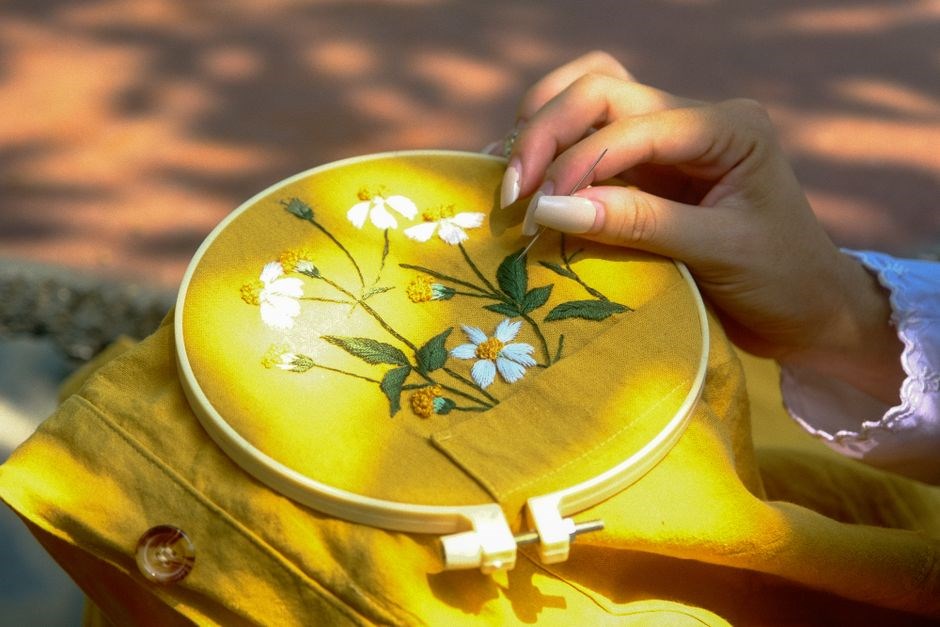
Popular Sites Offering Free PDFs
When searching for free hand‑embroidery PDFs, several reputable online platforms stand out for their extensive, high‑quality collections. Craftsy’s free pattern library offers a rotating selection of downloadable PDFs that cover everything from classic Victorian motifs to contemporary abstract designs. Each file includes a clear stitch count, recommended thread colors, and a concise set of instructions, making it ideal for beginners and seasoned stitchers alike. Embroidery Library hosts a community‑curated repository where users upload original patterns and share them under Creative Commons licenses; the site’s search filters allow you to narrow results by stitch type, difficulty level, or theme, ensuring you find exactly what you need. Freehand is a niche hub that specializes in hand‑embroidery tutorials and free PDF patterns, often accompanied by video demonstrations that walk you through each step. Ravelry, known primarily for knitting and crochet, also hosts a robust embroidery section; its user‑generated pattern database includes many free PDFs, complete with material lists and user reviews that help gauge difficulty and expected time. Finally, Pinterest remains a surprisingly reliable source, where many independent designers post downloadable PDFs directly in the pin description or link to their personal blogs. By bookmarking these sites and subscribing to their newsletters, you can stay updated on new releases and seasonal collections, ensuring your embroidery projects remain fresh and inspiring. These free PDF libraries let crafters experiment, learn stitches, create gifts!
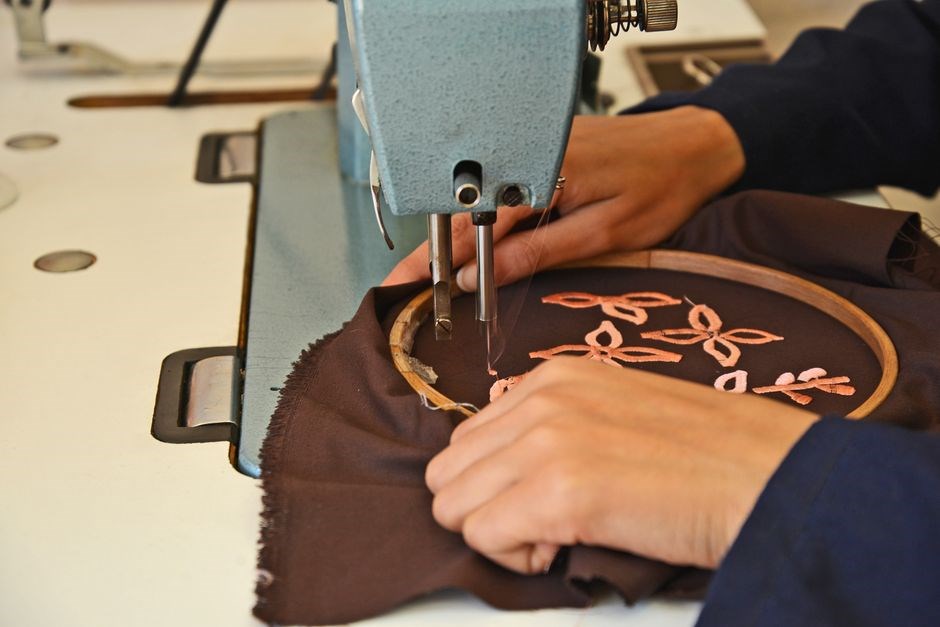
How to Find Free Embroidery PDFs
Use search terms like “free embroidery PDF download” or “hand‑embroidery patterns PDF free.” Check craft sites, Ravelry, Pinterest, and community forums. Bookmark pages, sign up for newsletters, and join groups that share downloadable PDFs. Always verify copyright before use. Download and stitch today! Enjoy.

Search Engines
When hunting for free hand‑embroidery PDFs, start with a precise search query. Enclose phrases in quotation marks to force exact matches, e.g., “free embroidery PDF download” or “hand embroidery pattern PDF free.” Add the filetype operator to limit results to PDFs: filetype:pdf. Combine with site filters to target trusted domains: site:edu, site:org, site:gov. For example, search for “free embroidery PDF download filetype:pdf site:edu” to find university‑level resources that often host free pattern collections. Use advanced operators like OR to broaden the scope: “free embroidery PDF” OR “hand embroidery PDF” OR “embroidery pattern PDF.” If you’re looking for niche motifs, append keywords such as “floral,” “geometric,” or “animal” to the query. For instance, “free floral embroidery PDF filetype:pdf” will surface floral‑themed patterns. Don’t forget to check the date of the PDF; newer files may reflect current trends. Once you locate a promising link, preview the PDF using the browser’s built‑in viewer before downloading to confirm relevance. Bookmark or save the link for future reference. Finally, consider using multiple search engines—Google, Bing, DuckDuckGo, and even specialized craft search tools to increase the likelihood of finding a diverse set of free designs; Tip: use the ‘site:’ operator to limit results to trusted domains like ‘site:edu’ or ‘site:org’. Also, add ‘free’ before ’embroidery’ to narrow the search. Save PDFs to a cloud folder for easy access!
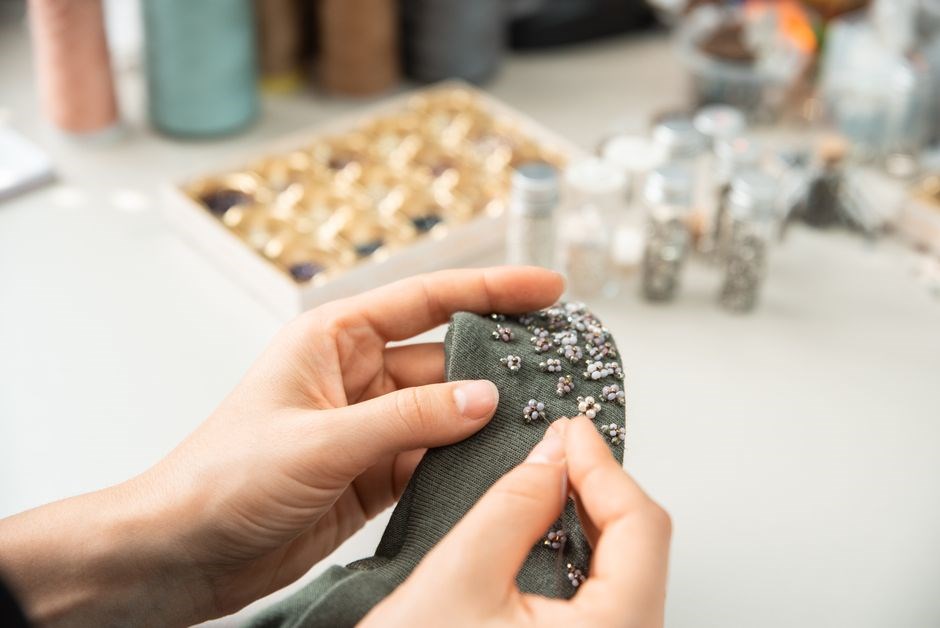
Tips for Using PDF Designs
When using free PDF embroidery designs, first verify the file’s resolution and stitch count. Convert the PDF to a compatible stitch file using software like Ink/Stitch, ensuring the scale matches your machine. Test a small section before full stitching to avoid errors. Match stitch density to pattern size.
Convert to Stitch File
Many free PDF embroidery patterns are simply illustrative sketches. To stitch them, you must transform the PDF into a machine‑readable stitch file. First, open the PDF in a vector editor such as Inkscape or Adobe Illustrator. Trace the outline of each motif, turning it into clean vector paths. Next, export the vector file as SVG or DXF, formats that embroidery software can import. After conversion, always check the stitch count; a high count may cause thread tension issues;
Once you have the vector file, import it into a conversion program like Ink/Stitch, SewArt, or Embird. These tools allow you to define stitch types (running stitch, satin, fill), adjust stitch density, and set thread colors. Pay attention to the stitch length; too long and the design will look sparse, too short and the machine will overwork the fabric. After configuring the stitches, preview the design to catch any gaps or overlaps. If your machine supports embroidery preview, use it to compare the digital design with the actual output.
Save the final output as a .dst, .pes, or .exp file, depending on your embroidery machine’s compatibility. If your machine uses a proprietary format, use the manufacturer’s converter or a third‑party tool that supports that format. Finally, transfer the file to your machine via USB, SD card, or direct connection, and run a test stitch on a scrap piece of the same fabric to ensure color accuracy and stitch placement. Remember to back up your original PDF and vector files before making changes, ensuring you can revert if needed. Some free PDFs include hidden layers; be sure to unhide them before tracing to capture all details. Adjust scale for fabric width for accuracy.
Common Issues and Fixes
When converting free PDF embroidery designs, several pitfalls can arise. A frequent problem is that the PDF’s vector paths are not clean, leading to jagged stitches or missing sections. To resolve this, open the PDF in a vector editor, use the “Simplify” or “Pathfinder” tools to smooth curves, and delete any stray points before exporting. Another issue is incorrect scale; if the design is too large for the chosen fabric, the machine may cut off edges or produce uneven tension. Verify the dimensions in the vector file, adjust the scale factor, and re‑export. Thread color mismatches also occur when the PDF’s color palette does not match the machine’s thread list. Import the design into your embroidery software, replace the default colors with the exact thread codes, and save the updated file. A common software glitch is that the stitch count is reported as zero, which usually indicates that the program failed to recognize the vector paths. Re‑import the SVG, ensure the paths are closed, and run the stitch calculation again. Finally, some free PDFs contain hidden layers or annotations that interfere with conversion. Use the layer manager to hide or delete non‑essential layers before exporting. By systematically checking path integrity, scale, color mapping, and layer visibility, most conversion headaches can be avoided, resulting in a clean, stitchable file ready for production. If the machine still complains, check the stitch density settings; too high density can cause thread breakage, while too low density may leave gaps. Additionally, ensure that the PDF uses standard fonts; custom fonts can render incorrectly during conversion. Finally, always test stitch on a scrap piece before committing to the final fabric, as this helps catch any unforeseen issues early. Moreover, some free PDFs include embedded images that are not vectorized; converting these images to vector paths can be time-consuming but is essential for accurate stitching. Using a dedicated vectorization tool or manually tracing the image ensures that the final stitch file accurately represents the original design. Remember to keep a backup of the original PDF and the intermediate vector file, so you can revert if a conversion step introduces errors. Finally, always verify that the stitch file’s metadata matches the project specifications, such as thread count, needle size, and fabric type, to avoid costly mistakes during production. Happy stitching!
After exploring the world of free PDF embroidery designs, it’s clear that the combination of accessibility, variety, and creative freedom makes these resources invaluable for both novices and seasoned stitchers. By downloading high‑quality PDFs from reputable sites, you gain instant access to a vast library of patterns—floral, geometric, and animal motifs—that can be customized to fit any project. The key to maximizing these designs lies in proper preparation: clean vector paths, correct scaling, accurate thread mapping, and careful layer management. Once the design is ready, converting it into a stitch file with your embroidery software unlocks the full potential of your machine, allowing you to adjust stitch density, direction, and other parameters for optimal results. Throughout the process, staying mindful of common pitfalls—such as jagged edges, scale mismatches, and color discrepancies—ensures a smooth workflow. Finally, always test on a scrap piece before committing to the final fabric; this simple step saves time, thread, and frustration. Embrace the digital era of hand embroidery, and let free PDF designs inspire your next masterpiece. Happy stitching! Whether you’re a hobbyist looking to add a personal touch to home décor, a professional seeking fresh inspiration for client projects, or a teacher aiming to enrich classroom activities, the accessibility of free PDF designs empowers you to experiment without financial barriers, fostering creativity and skill development across skill levels and fabric types.